
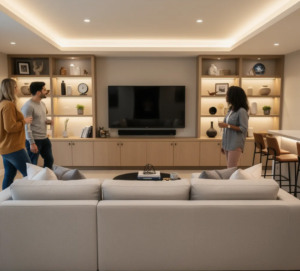
Transform Your Basement into an Entertainment Hub
Transform Your Basement into an Entertainment Hub Transforming a basement into an entertainment hub necessitates careful planning, effective insulation, and the expertise of professional basement
Are you a homeowner in the Greater Toronto Area looking to expand your living space while boosting your property’s value? At Castle Contracting & Renovations, we recognize that a completed basement can significantly enhance both the functionality and visual charm of your residence. A finished basement is more than just walls and ceilings; it transforms an ordinary subterranean space into a warm and adaptable area designed to suit your lifestyle.
With Castle Contracting & Renovations, a premier basement finishing service located in the Greater Toronto Area, your ideal basement is within reach!
Whether you aspire to create a sophisticated entertainment area for family gatherings, a comfortable in-law suite, a practical home office, or an extra bedroom for guests, our skilled team is prepared to transform your vision into reality with exceptional craftsmanship and an attentive eye for detail. We carefully evaluate every facet of the project—including moisture management, sound insulation, and customized design—to deliver a space that is not only highly functional but also aesthetically pleasing.
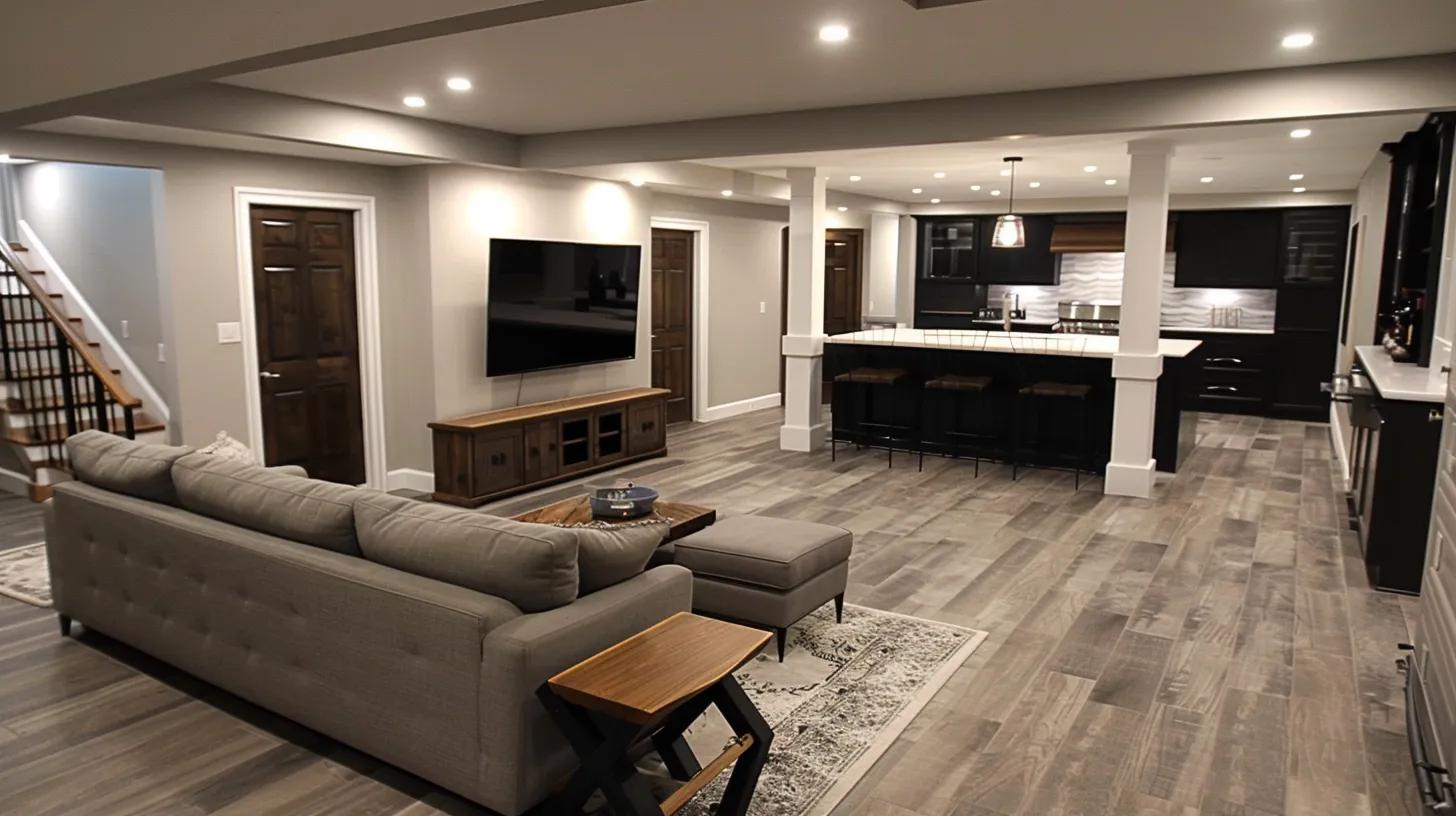
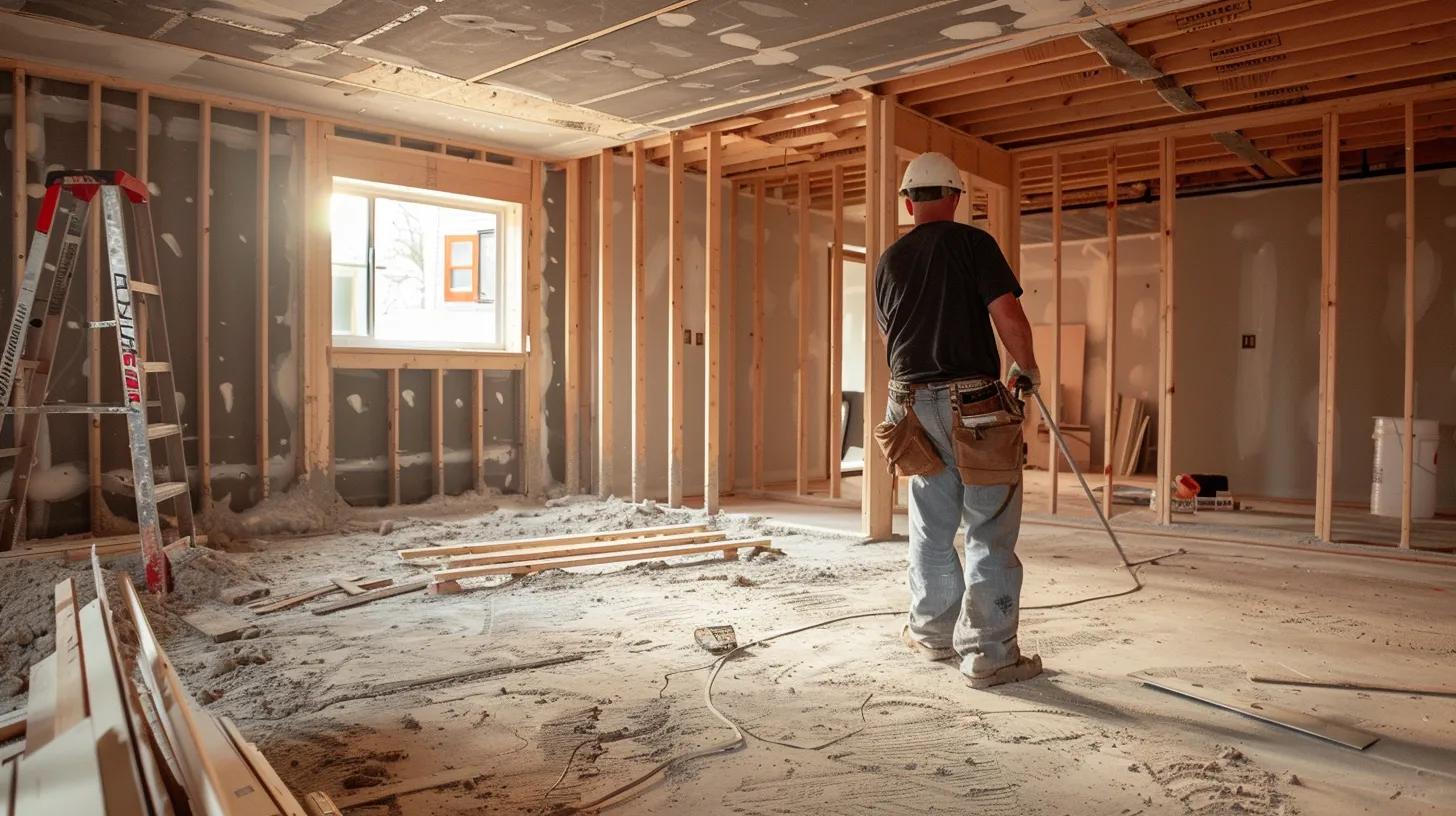
Basement renovation and remodeling entail a comprehensive transformation of your basement, turning it from a bare, unfinished area into a beautifully designed and fully functional extension of your home. This process includes multiple phases, such as strategic planning, insulation installation, framing, drywall application, and final finishing touches. Each step allows you to develop a space that not only fulfills your unique requirements but also showcases your personal aesthetic.
While the terms basement renovation and finished basement are frequently used interchangeably, they denote distinct phases in the process. Basement renovation describes the extensive undertaking of transforming an unfinished space, whereas a finished basement represents the resultant polished and functional living area. Castle Contracting & Renovations specializes in both aspects, providing expert guidance throughout the entire renovation journey. From the initial concept to the final details, our dedicated team ensures the creation of a harmonious and cohesive finished basement that is ready for your enjoyment.
Transform your basement into a bespoke and functional extension of your home. At Castle Contracting & Renovations, we take great pride in our meticulous approach to basement renovations, ensuring that every aspect is tailored to meet the unique preferences of each homeowner.
7. Final Assessment: Once the renovation is complete, we will conduct a final assessment to ensure your satisfaction
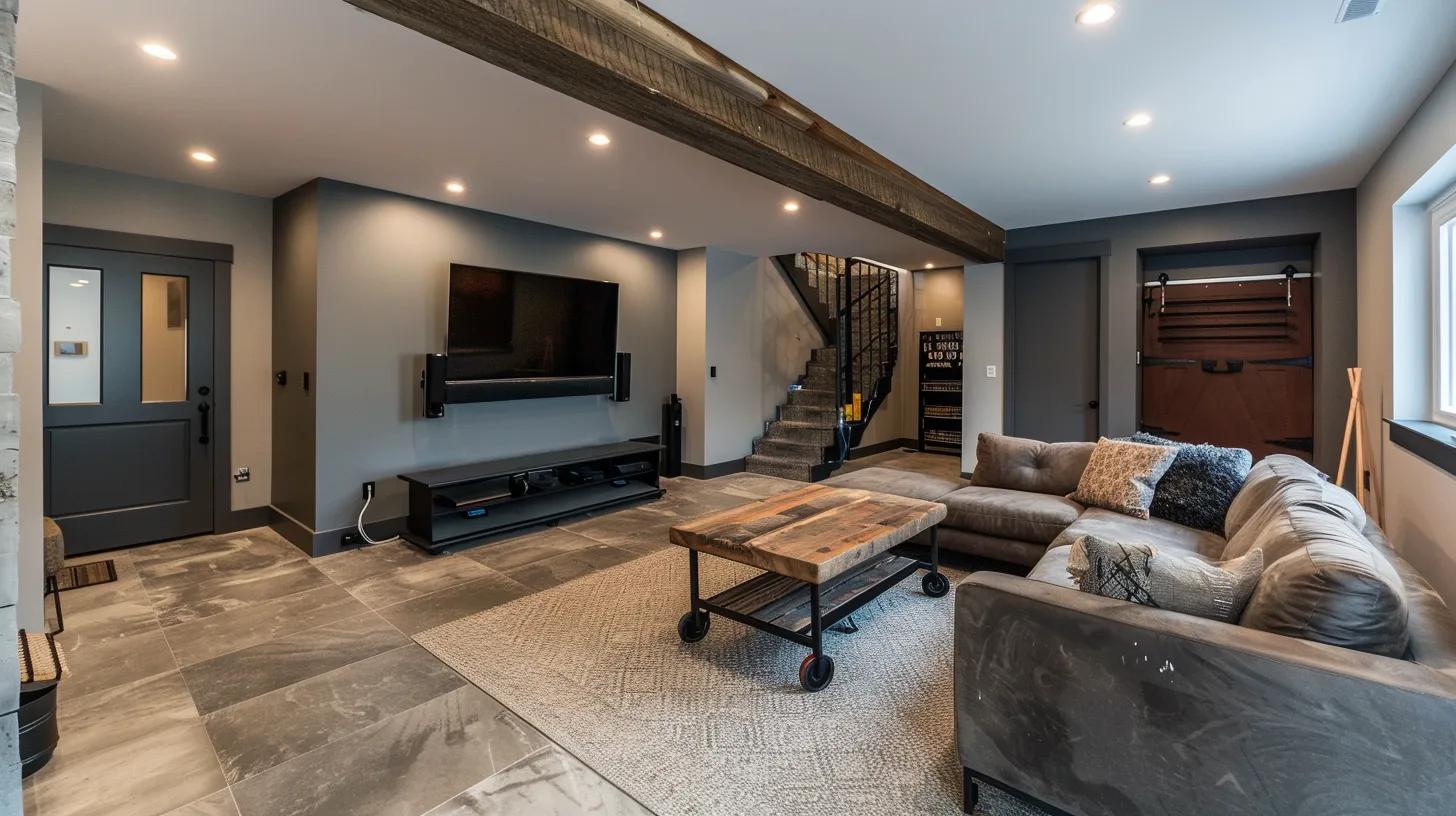
Unlock the potential of your home with Castle Contracting & Renovations’ advanced basement renovation services in the Greater Toronto Area. Whether you envision a modern family retreat, a luxurious spa-like bathroom, or a smart home office, our team will help turn your ideas into reality—efficiently and with expert precision.
Our approach integrates planning for optimal space utilization, moisture control, soundproofing, and personalized aesthetics, ensuring your renovated basement is as functional as it is beautiful.
Experience a seamless transformation process and enjoy a unique extension of your home, custom-tailored to your lifestyle, with Castle Contracting & Renovations.
Step into a refined, spacious haven that seamlessly fits your lifestyle. With a finished basement, you gain the freedom to create a home theater, a welcoming family lounge, or a playful area for children—the design possibilities are tailored entirely to your vision.
Serving homeowners across the Greater Toronto Area, we offer the ideal way to expand your living space, enhance daily comfort, and increase your property’s value.
Contact us today to help elevate your home with a beautifully finished basement!
Fall in love with your home all over again with a beautifully finished basement by Castle Contracting & Renovations!
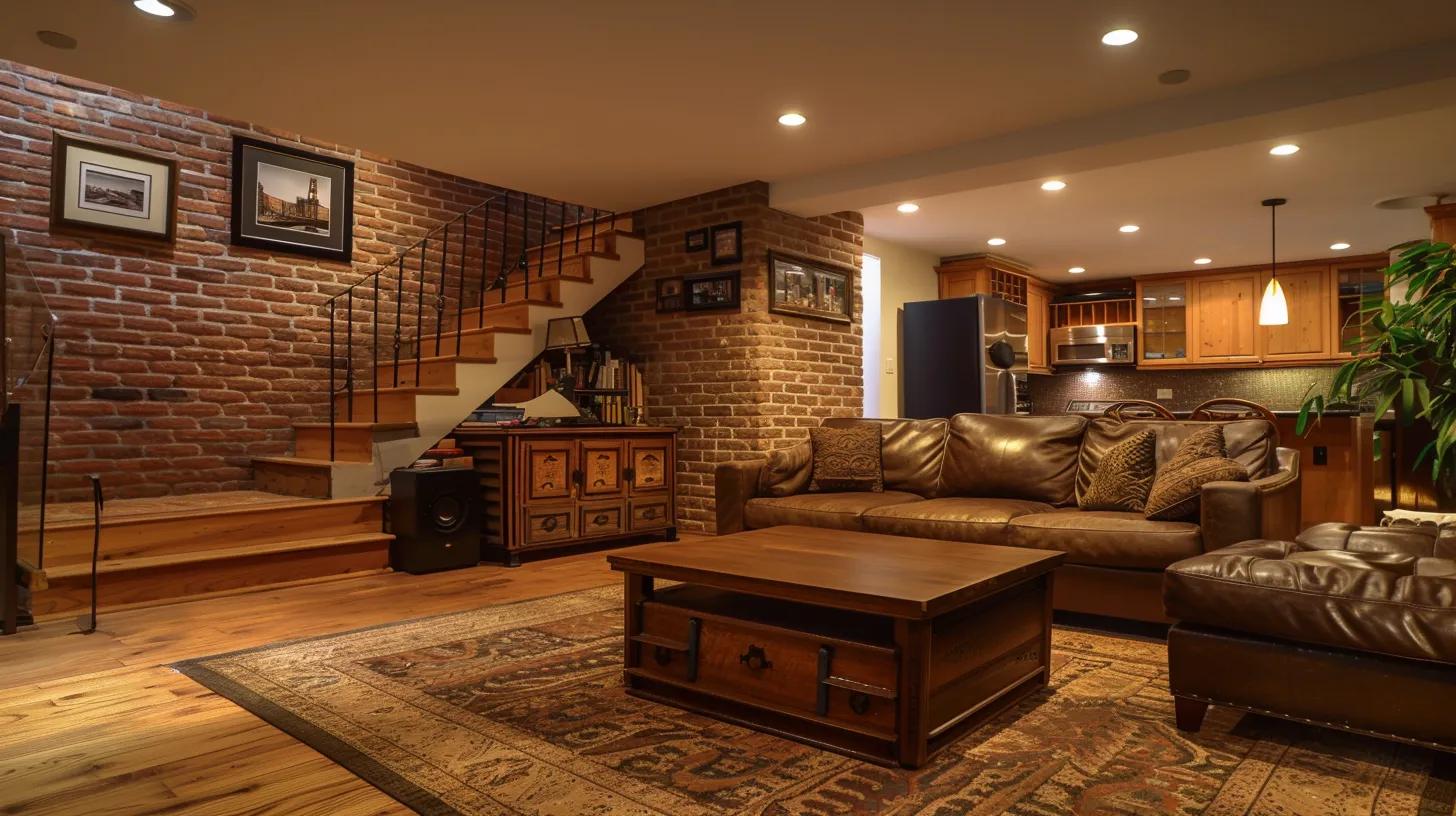
At Castle Contracting & Renovations, we understand that a finished basement is not just an upgrade; it’s an investment in your home. Our Basement Renovation cost consultation lays the groundwork for a successful transformation, providing you with a detailed quote for your basement remodeling project. We are committed to delivering affordable and transparent pricing, ensuring you get the most value for your investment.
When it comes to basement renovations, Castle Contracting & Renovations stands out as your trusted partner for transforming underutilized spaces into beautiful, functional areas that add value to your home. Our team of experienced basement finishing contractors combines skill, creativity, and attention to detail to deliver outstanding results every time.
Here’s why homeowners choose Castle Contracting & Renovations:
Ready to create the basement of your dreams? Contact Castle Contracting & Renovations today for a comprehensive estimate and take the first step toward transforming your home into the sanctuary you’ve always imagined.
Don’t let your basement go to waste! Renovating your basement adds valuable living space and enhances your overall enjoyment of your home—especially for GTA homeowners looking to improve their living arrangements. With Castle Contracting & Renovations, you can turn an underutilized basement into a luxurious, functional area that elevates both your home and lifestyle.
Experience the difference with Castle Contracting & Renovations – where expertise meets creativity for stunning finished basements! Contact us today to begin your basement transformation journey!
Q. What are the benefits of finishing a basement?
A. According to professionals, finishing a basement provides a multitude of benefits, including increased usable living space, improved home value, and enhanced functionality. It can be transformed into a variety of spaces, such as a home gym, office, playroom, or guest suite, allowing homeowners to maximize their property’s utility.
Q. What steps are involved in the process of finishing a basement?
A. The process of finishing a basement generally involves several key steps: assessing the space for water damage and mold, designing the layout, obtaining necessary permits, framing walls, installing electrical and plumbing systems, adding insulation, and finally, completing the flooring and finishes.
Q. Do I need a permit to finish my basement?
A. In most cases, homeowners will need to obtain a permit for finishing a basement, especially if major structural changes are made or new electrical and plumbing systems are installed. It is always advisable to check local building codes and regulations.
Q. Can a finished basement be used as a rental space?
A. Yes, a finished basement can potentially be converted into a rental space, such as a suite for long-term tenants or a short-term rental unit. However, homeowners should check local zoning laws and regulations regarding rental properties.
Q. What types of finishes are recommended for basement flooring?
A. Recommended flooring options for finished basements include vinyl, laminate, tile, and carpet. These materials are better suited to withstand moisture and are easier to maintain compared to traditional hardwood flooring.
Q. How can I ensure my finished basement stays dry?
A. To keep a finished basement dry, homeowners should invest in proper waterproofing measures such as drainage systems, sump pumps, vapor barriers, and good grading outside the home. Regular inspections for leaks and moisture spots can also help maintain a dry environment.
Q. Is it a good idea to use my basement as a home office?
A. Using a finished basement as a home office can be an excellent choice, providing a separate and quiet space away from the main living areas. However, considerations such as adequate lighting, ventilation, and soundproofing should be addressed to create a functional workspace.
Q. What should homeowners consider before starting a basement finishing project?
A. Experts recommend that homeowners assess several factors before beginning a basement finishing project. This includes checking for water intrusion and ensuring proper insulation, ventilation, moisture control, and layout design. Proper waterproofing and humidity management are critical to prevent mold and mildew, while good insulation will ensure the basement is comfortable year-round. Additionally, obtaining necessary building permits and considering the basement’s structural integrity are crucial steps to ensure the project’s success.
Q. How long does it typically take to finish a basement?
A. Industry professionals indicate that the duration of a basement finishing project can vary widely based on factors such as the complexity of the design, the size of the basement, and the availability of materials. On average, homeowners can expect the process to take anywhere from several weeks to a couple of months, depending on these variables.
By addressing these commonly asked questions, homeowners can gain a comprehensive understanding of the basement finishing process and the myriad factors that contribute to a successful, satisfying outcome. This knowledge empowers homeowners to navigate their basement finishing projects with confidence and clarity.
Transform Your Basement into an Entertainment Hub Transforming a basement into an entertainment hub necessitates careful planning, effective insulation, and the expertise of professional basement

Adding a Bathroom to Your Basement: An Essential Guide to Planning, Costs, and Compliance Adding a basement bathroom can improve daily function and boost resale
Creative Layouts for Finished Basements: Innovative Basement Remodeling Ideas and Solutions Transforming a basement into a functional and aesthetically pleasing space can significantly enhance the