
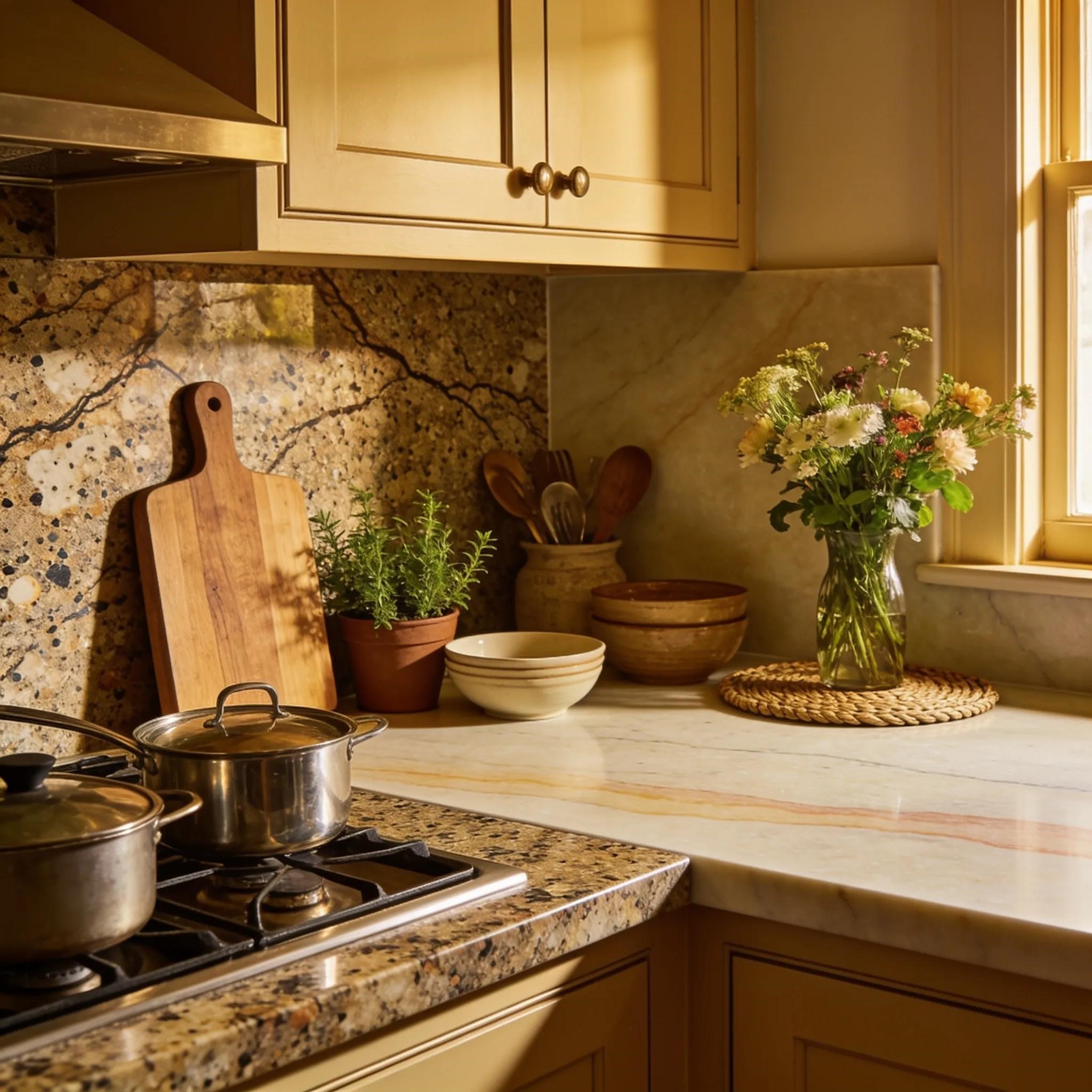
Choosing the right countertop material for your kitchen is a pivotal decision that influences both aesthetics and functionality. Among the myriad options, Granite (natural stone) and Quartz (engineered stone) stand out as two of the most popular choices, each offering unique benefits and characteristics. This article aims to dissect the nuances between natural stone and engineered stone countertops, focusing on their durability, maintenance, and overall value in the context of kitchen renovations. Homeowners often grapple with issues such as longevity, maintenance requirements, and aesthetic appeal, leading them to seek clarity on which material best fits their needs. In this comprehensive analysis of these materials, we will examine key distinctions, highlight their unique advantages, and provide guidance to help you make an informed decision that aligns with your personal aesthetic and practical needs.
Natural stone and engineered stone countertops represent two distinct philosophies in countertop materials. Natural stone is quarried and cut into slabs, giving it a unique texture and appearance shaped by geological processes over millions of years. In contrast, engineered stone countertops are created by combining crushed natural stone with resins, resulting in a non-porous, uniform surface that can be customized in a wide range of colors and patterns.
The performance characteristics of natural stone and engineered stone are greatly determined by their origins and material composition. Natural stone, sourced directly from quarries, possesses unique attributes that offer exceptional resistance to heat and scratches. In contrast, engineered stone is a concocted surface specifically designed to withstand stains and microbial growth, making it a highly practical option for high-traffic kitchen environments. Each material presents its own advantages, influencing its functionality and performance in typical kitchen settings.
When it comes to aesthetics, both natural stone and engineered stone offer a rich array of options. Natural stone’s usual variations give it a unique look that adds warmth to the kitchen, with colors ranging from deep blacks to light beiges. In contrast, engineered stone countertops provide a more uniform appearance with customizable colors and patterns, appealing to contemporary design preferences. Homeowners can choose from various finishes and edge profiles that can complement any kitchen design, ensuring that both options hold substantial appeal based on individual taste.
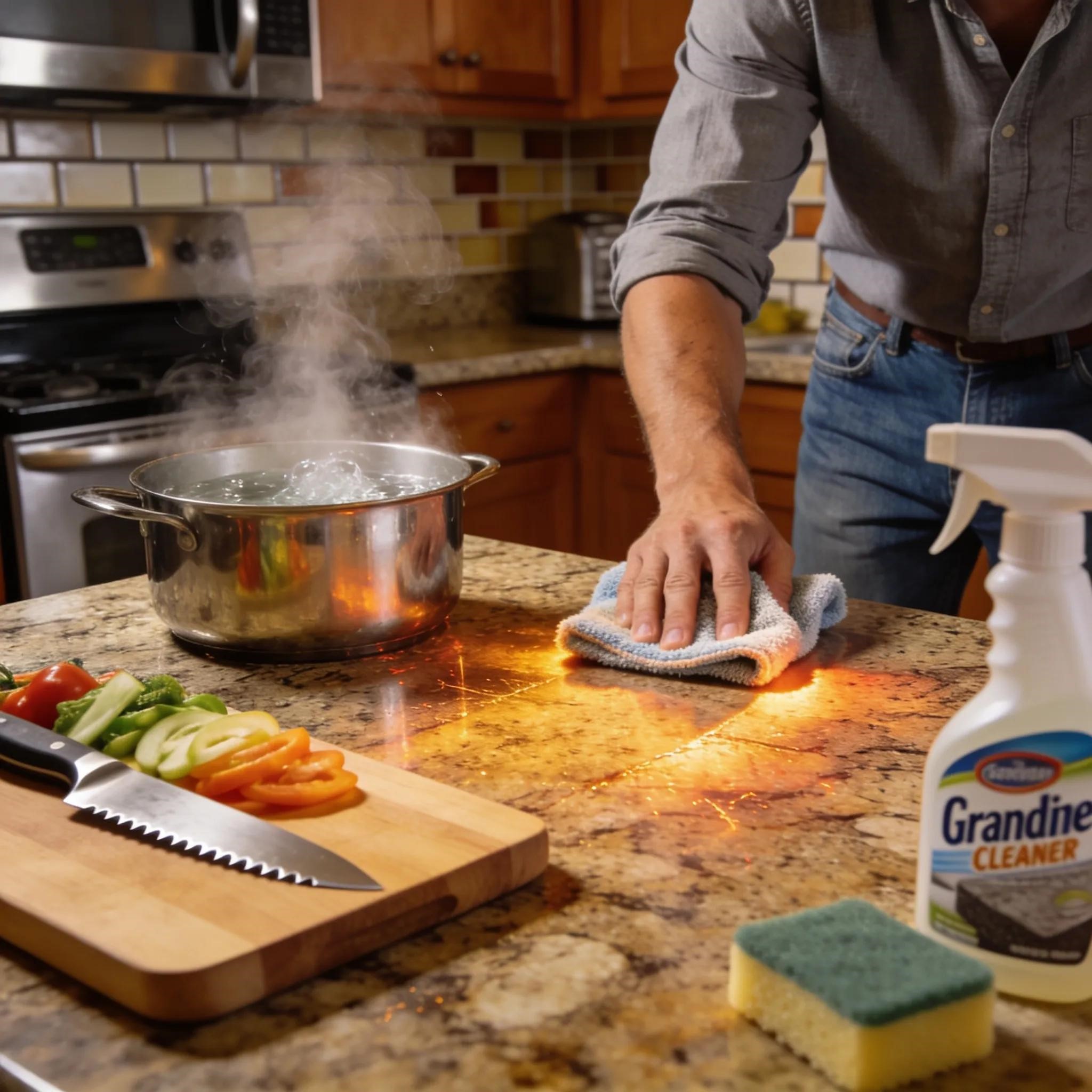
Durability is a crucial factor when selecting countertop materials, and both natural stone and engineered stone deliver significant advantages. Natural stone provides high heat and scratch resistance due to its hardness, while engineered stone generally offers superior stain resistance due to its non-porous nature, making it less susceptible to absorbing spills.
One of the fundamental differences lies in porosity levels. Natural stone is more porous than engineered stone, which means it requires regular sealing to prevent stains and bacterial growth. This aspect can lead to additional maintenance efforts for natural stone countertops, necessitating care from homeowners. In contrast, engineered stone’s lower porosity facilitates easier cleaning and general upkeep, offering a more hassle-free experience without the need for sealing.
Natural stone countertops typically have a lifespan of 20-100 years, depending on usage and care, outperforming many other materials in longevity. Engineered stone, on the other hand, can last an equivalent duration due to its consistency, which resists breaking and chipping better than natural stones. Both options provide substantial value over time when properly cared for, making them appealing choices for homeowners.
Maintaining countertops effectively ensures their longevity and appearance. Natural stone requires specific care, including regular sealing and the use of pH-balanced cleaners to avoid damage. For engineered stone countertops, routine cleaning with mild soap and water suffices to keep them looking new, thanks to their non-porous nature.
To maintain natural stone countertops, homeowners should:
Engineered stone maintenance is straightforward due to its durable surface. Homeowners can:
When evaluating costs, natural stone and engineered stone are competitive yet vary based on factors such as quality, complexity of installation, and availability. In Canada, the price range for natural stone typically falls between $50-$175 per square foot, while engineered stone usually ranges from $60-$200 per square foot, providing various options based on budget considerations.
Several factors contribute to the installation and material costs of natural stone and engineered stone countertops:
When determining the overall value of natural stone and engineered stone countertops for kitchen renovations, consider:
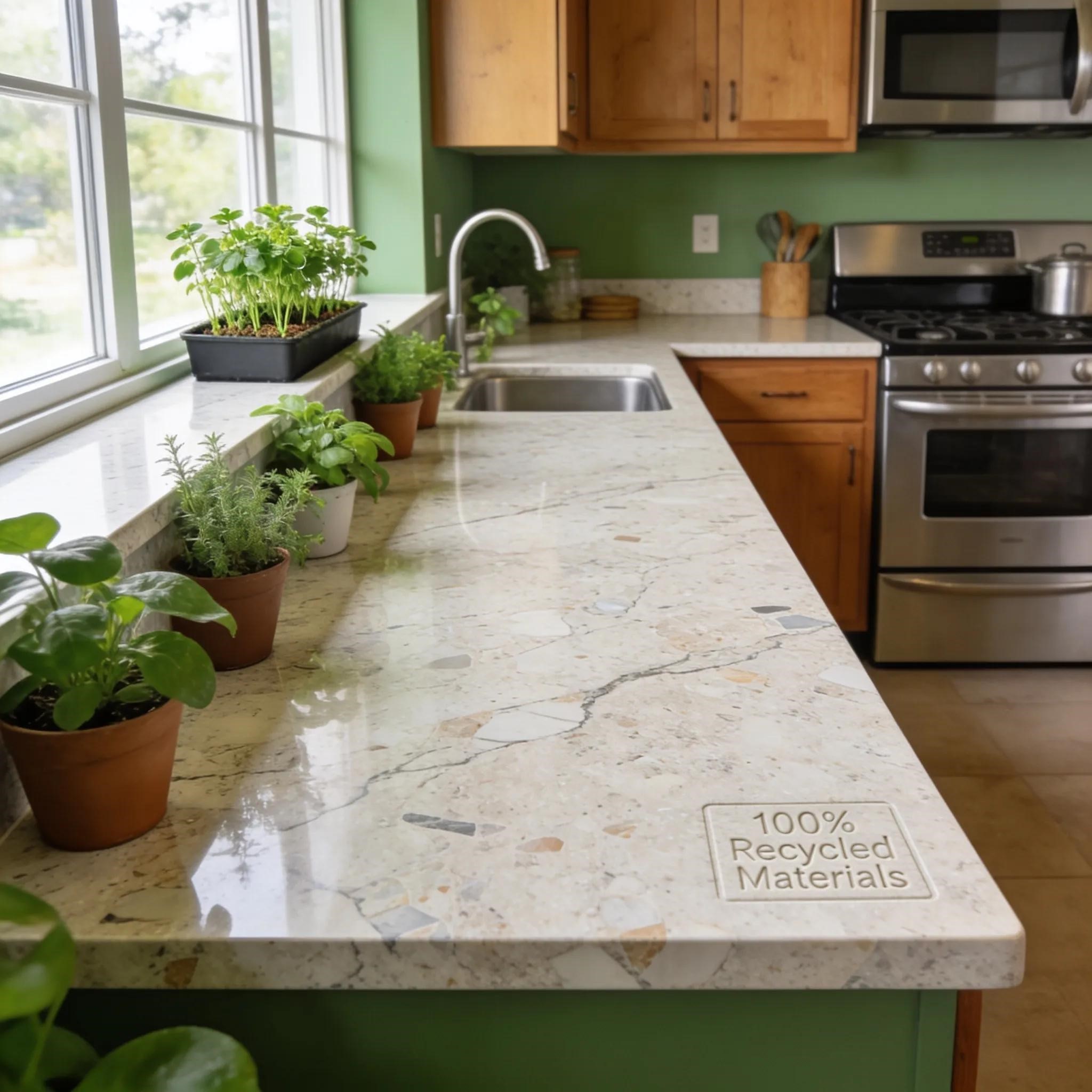
As homeowners become more eco-conscious, understanding the environmental impacts of natural stone versus engineered stone has gained importance. The sourcing of natural stone can impact local ecosystems, while engineered stone is often produced with more sustainable practices in mind.
Natural stone extraction involves quarrying, which can disrupt local environments and ecosystems. The locality of sourcing also plays a role, as importing natural stone from distant locations adds to its carbon footprint. Homeowners should consider locally sourced natural stone to mitigate some environmental impacts.
Engineered stone presents an eco-friendlier choice for many homeowners. Some of its benefits include:
Installation is a critical aspect of both natural stone and engineered stone countertops, affecting both their performance and durability in the long run. Proper installation ensures maximum efficiency and aesthetic appeal while preventing common issues such as cracking or improper sealing.
Using professional installers for natural stone and engineered stone countertops is essential, as they appreciate the nuances of working with natural and engineered materials. Professionals can guarantee correct joint alignment, avoid common pitfalls associated with DIY installs, and ensure the countertop is securely fitted.
Investing in quality countertops often comes with warranties that safeguard against defects:
Engineered Stone Guarantees: Often longer and covers both physical defects and performance, reflecting its engineered nature
This warranty highlights the long-term reliability of choosing natural stone or engineered stone countertops for your kitchen remodeling project, providing peace of mind in your investment.
In summary, the decision between natural and engineered stone countertops is important and requires thoughtful consideration of various factors. By examining the distinct differences in their composition and aesthetic qualities, as well as assessing their durability, prospective buyers can gain a comprehensive understanding of the advantages each material offers. Furthermore, in light of the increasing significance of environmental sustainability, it is also important to consider the ecological impact of both materials to make a more conscientious decision.
By considering all these elements, individuals can arrive at a well-informed decision that aligns with their specific needs and preferences. If you’re ready to discover the countertop options that best suit your home, we invite you to reach out to Castle Contracting & Renovations at info@castle-renos.ca or call 289-819-2196 to arrange your complimentary consultation.