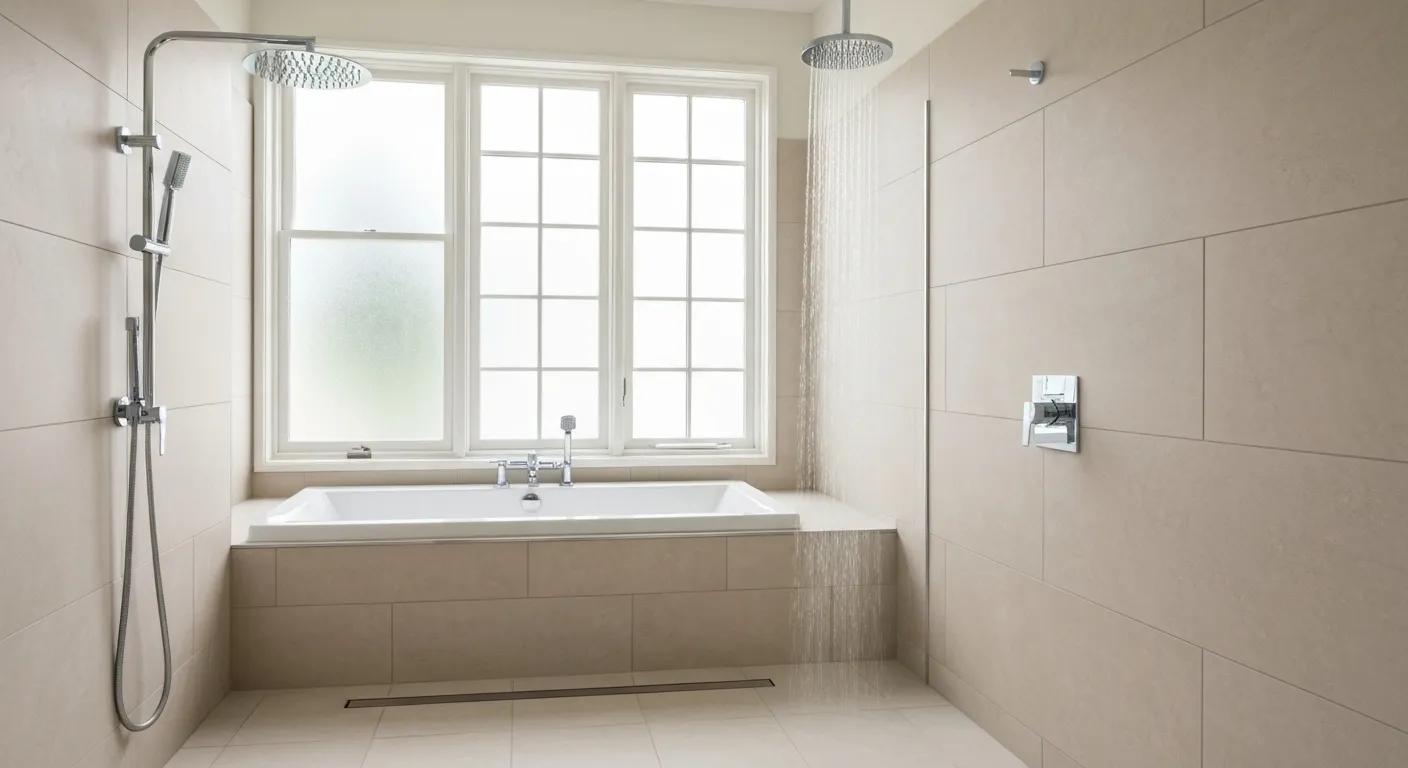
Choosing between a walk-in shower and a bathtub is one of the core decisions in a bathroom renovation, and the right choice depends on space, lifestyle, accessibility, and resale goals. This article explains what a walk-in shower and a bathtub are, compares their design variants and practical trade-offs, and gives homeowners a clear decision framework for renovations. You will learn key features of curbless and frameless designs and the main types of bathtubs (freestanding, soaking, alcove, and whirlpool), plus water usage and accessibility considerations that affect long-term value. The guide maps those details into real renovation choices for families, seniors, and buyers, and previews current Canadian design trends affecting shower and tub selection. Finally, we cover why Castle Contracting & Renovations is a practical partner for bathroom renovation choices in the Durham Region. Read on to compare walk-in shower benefits and bathtub trade-offs so you can choose the best fit for your home and budget.
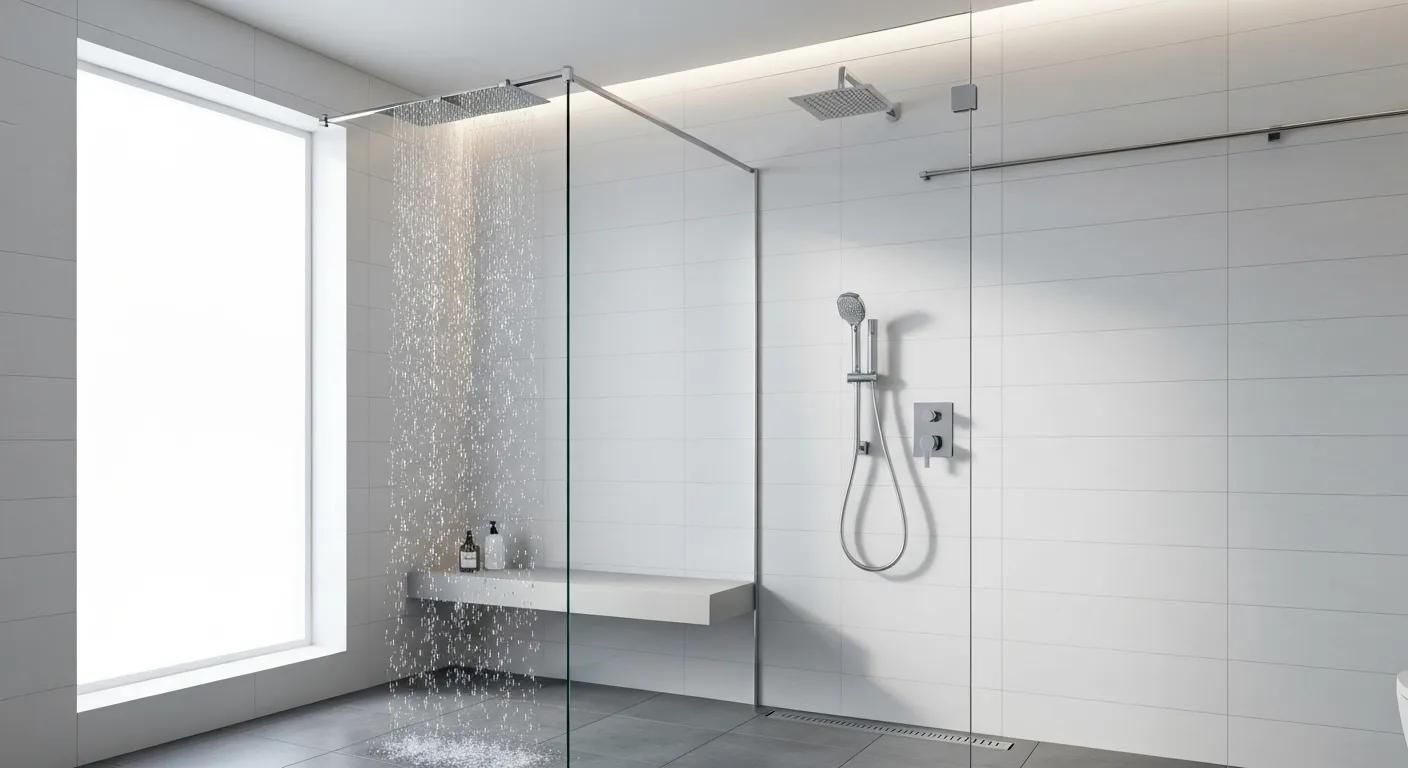
A walk-in shower is a shower enclosure designed for easy step-in access that typically uses a low or zero threshold, a sloped waterproof floor, and a dedicated drain to manage water flow. This configuration reduces trip hazards, simplifies cleaning, and allows design choices such as frameless glass or a tiled pan that visually expand the bathroom. Walk-in showers are valued for accessibility, low maintenance, and modern aesthetics, with variants ranging from curbless entries for full barrier-free access to neo-angle or alcove layouts for small spaces. Understanding these core features helps homeowners choose fixtures, drain types, and finishes that balance style and function.
The mechanism that makes it work is precise substrate preparation and linear or center drains that manage runoff without relying on a traditional tub enclosure. The main result is a safer, easier-to-clean showering space that accommodates mobility aids and bench seating when needed. This technical foundation leads directly to style choices such as frameless glass and tile versus pre-formed pans, which we discuss next.
Curbless walk-in showers remove the traditional raised curb to create a seamless floor transition that benefits accessibility and a minimalist look. Frameless glass enclosures emphasize openness and light, reducing visual clutter but requiring careful splash control and higher-grade hardware. Other common designs include tiled pans that allow custom drains and linear drain placement, and neo-angle or corner showers suited to tight footprints. Each design trades off cost, installation complexity, and maintenance needs, so design selection should align with your budget and daily use patterns.
Walk-in showers enhance accessibility through features like curbless thresholds, built-in benches, grab bars, and anti-slip finishes that reduce fall risk and simplify transfers. These elements also support aging-in-place goals and can be integrated without sacrificing a modern, spa-like aesthetic through large-format tile and concealed drains. The combined benefit is both practical safety and strong resale appeal among buyers who value universal design. Considering these accessibility features early in planning makes installations smoother and reduces retrofit costs later.
A walk-in shower offers clear advantages—improved accessibility, easier cleaning, and a contemporary look—while presenting trade-offs such as the loss of a full-body soak for households that value bathtime rituals. Walk-in showers typically save visual space and can make small bathrooms feel larger but may require additional splash-control measures in open layouts. For many homeowners, the balance between daily convenience and occasional desire for soaking defines the choice, and mitigation options like a separate soaking tub elsewhere in the home can provide compromise. Below are focused itemized pros and cons that highlights key walk-in shower attributes for quick comparison.
Walk-in showers deliver primary advantages in these areas:
Walk-in showers maximize usable floor area by removing bulky tubs or high curbs, which visually expands compact bathrooms and allows for larger clearances. Maintenance is simplified because there are fewer crevices, fewer grout lines when using large-format tiles, and frameless glass options that limit mildew-prone metal tracks. The result is lower routine cleaning time and a neater visual result that enhances long-term durability. This space efficiency naturally leads into water-efficiency and safety considerations discussed next.
Walk-in showers can be more water-efficient than baths when fitted with low-flow showerheads and flow-regulating valves, cutting per-use water consumption while maintaining good pressure. Safety features such as textured tile, grab bars, and built-in benches reduce slip hazards and improve usability for people with limited mobility. Choosing a thermostatic mixing valve prevents sudden temperature changes, which improves safety for seniors and children. These water and safety optimizations often lower long-term operating costs and liability concerns in family homes.
Walk-in showers do not provide a full-body soak, which matters to households that use baths for relaxation, child bathing, or pet care; this emotional and practical loss can influence satisfaction. Resale value impact varies by market and home type: in some family-oriented areas, buyers expect at least one bathtub, while in other urban or luxury markets, a modern walk-in shower increases appeal. Mitigation strategies include keeping a tub in a secondary bathroom, installing a compact soaking tub elsewhere, or choosing a larger wet-room layout when space allows. These compromises help balance daily function and future resale.
| Feature | Attribute | Typical Value |
|---|---|---|
| Threshold | Entry type | Curbless or low threshold for accessibility |
| Drain | Drain type | Linear or center drain with proper slope |
| Enclosure | Glass style | Frameless glass for openness; semi-framed for cost control |
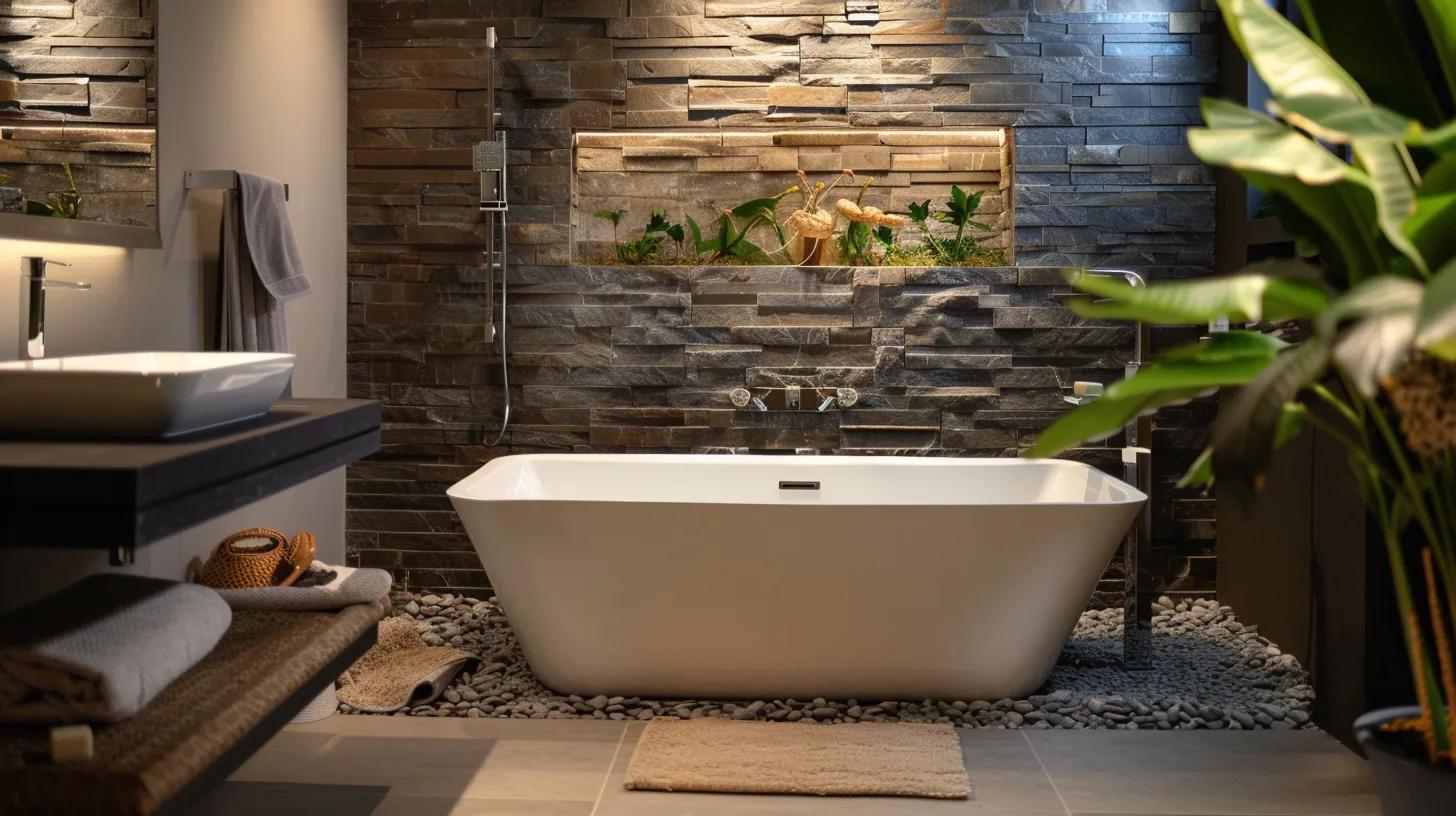
A bathtub is a basin designed for bathing and relaxation, available in multiple configurations—from alcove tubs that maximize compact layouts to freestanding soaking tubs that act as design focal points. The mechanism that differentiates tub types is depth, footprint, and installation method; soaking tubs prioritize depth for immersion while whirlpool tubs add jets and mechanical components for hydrotherapy. Bathtubs provide family-friendly bathing, relaxation benefits, and luxury cues that influence buyer perception, and the choice of material and type affects durability and maintenance. Next, we outline the most common tub types and considerations for installation.
Freestanding tubs serve as sculptural centerpieces and typically require more floor space, as well as finished surrounds on all sides. Soaking tubs are deeper tubs that emphasize immersion and relaxation, often with a smaller footprint than freestanding statement tubs. Alcove tubs fit into three-walled recesses and are space-efficient for multi-bath homes and bathrooms serving children. Whirlpool or jetted tubs add pumps and maintenance needs, offering hydrotherapy benefits but increasing cleaning and mechanical upkeep. Each type balances space, cost, and user needs when planning a bathroom renovation.
Bathtubs support relaxation through full-body immersion, which can aid muscle relaxation, stress relief, and sleep for many users. For families, tubs are practical for bathing young children, washing pets, and providing a safe washing environment when mobility aids are required. The emotional value of a tub often translates to perceived luxury and can contribute to buyer appeal in certain markets. These use cases make tubs a sensible choice when relaxation and family bathing are priorities in a renovation scope.
Common bathtub materials include acrylic and fiberglass, which are lighter and more affordable but can scratch and discolor over time, and heavier options like cast iron or stone that offer higher durability and heat retention but complicate installation due to weight. Material choice affects long-term maintenance needs and can increase labor and structural requirements for freestanding or large soaking tubs. Understanding material trade-offs early helps align expectations on lifespan and maintenance cost during a bathroom renovation project.
| Tub Type | Characteristic | Typical Impact |
|---|---|---|
| Soaking tub | Water usage | Higher per soak; designed for immersion |
| Freestanding | Footprint | Larger visual and spatial footprint |
| Alcove tub | Installation | Compact, easier plumbing integration |
Installing a bathtub adds relaxation, family convenience, and potential luxury appeal, but it also increases water usage, requires more maintenance, and can limit accessibility without retrofit features. Bathtubs can elevate a bathroom’s perceived value when properly integrated into a home with matching buyer expectations, yet they may be less desirable in compact or aging-in-place focused renovations. Balancing these factors—space, water, maintenance, and mobility—guides whether to keep, replace, or add a tub.
Bathtubs, particularly freestanding or high-end soaking tubs, signal luxury and comfort that can influence buyer perception in higher-end or family market segments. In multi-bath homes, a tub in at least one bathroom often aligns with buyer expectations and supports resale.
Bathtubs generally consume more water per use than showers, and the larger surface area and water exposure means more frequent cleaning and potential for grout, sealant, or finish wear. The physical footprint can limit placement of vanities or storage and may require structural reinforcement for heavy materials like cast iron. These practical challenges increase lifetime cost and maintenance time compared to simpler shower installations.
Bathtubs present mobility challenges for seniors and users with limited movement due to high thresholds and the need to step over the tub wall. Retrofit options such as walk-in tubs, grab bars, transfer benches, and anti-slip surfaces can improve safety but often reduce tub usefulness or require substantial modifications. Consulting code-aware accessibility guidelines during planning ensures that safety elements integrate effectively without compromising design.
| Tub Type | Attribute | Value |
|---|---|---|
| Soaking tub | Water usage | Higher per use; designed for relaxation |
| Freestanding tub | Footprint | Large; requires finished sides and more space |
| Alcove tub | Installation ease | Compact; easier plumbing integration |
Deciding between a walk-in shower and a bathtub starts by evaluating bathroom size, household lifestyle, mobility needs, budget priorities, and resale expectations. The mechanism of choice is a stepwise checklist: assess space constraints, map daily routines (children, seniors, relaxation), evaluate accessibility needs, and then align budget with desired finishes and timelines. Local cost and material availability in Durham Region also influence whether custom tile, frameless glass, or plumbing relocation fits your schedule and budget. Below is a practical decision checklist and a local-value EAV table to help prioritize options.
Key decision factors homeowners should weigh:
These steps lead naturally into layout-specific guidance which follows in the next subsections.
Bathroom footprint dictates what fits: alcove tubs work well in narrow bathrooms while walk-in showers can free up floor area and improve circulation in small spaces. In larger ensuites, combinations—such as a freestanding soaking tub plus a separate walk-in shower—deliver both relaxation and accessibility. Layout adaptations like sliding doors, neo-angle showers, or compact soaking tubs can salvage functionality in constrained baths. Determining the minimal clearances for each option prevents costly rework during installation.
Household profiles guide the recommendation: young families often value an alcove tub for child bathing, seniors benefit from curbless showers and benches, and luxury-focused homeowners may prefer both a soaking tub and a walk-in shower for spa-like amenities. Choosing the primary fixture should reflect daily routines first, with secondary fixtures filling occasional needs.
Cost drivers include materials (tile, acrylic, cast iron), labor for plumbing relocation, the complexity of waterproofing, and finish level (frameless glass, linear drains). In Durham Region, trades availability and permit requirements can influence timeline and labor cost, so plan contingencies for custom tile work or structural changes. For specific local budgets, consider consulting Castle Contracting & Renovations to understand typical installation scenarios and what pushes projects into higher cost tiers.
| Option | Cost Driver | Local Value (Durham Region) |
|---|---|---|
| Walk-in shower | Waterproofing & tile complexity | Medium to High, depending on custom tile and curbless drain work |
| Alcove tub | Tub material & surround | Low to Medium, depending on tub material (acrylic vs cast iron) |
| Freestanding tub | Structural and finish work | Medium to High due to footprint and finish requirements |
This local-value table clarifies how choices typically map to cost categories in Durham Region and highlights factors that escalate budgets.
Resale impact depends on home type and market segment: family homes often benefit from at least one bathtub, while modern urban buyers may prefer a contemporary walk-in shower in master baths. The semantic relation is simple: buyer expectation → perceived desirability → resale outcome. Balancing one full bath with a modern ensuite design typically protects resale value. When in doubt, maintain at least one bathtub in homes aimed at families and prioritize high-quality finishes for master bathrooms to maximize appeal.
Key accessibility features include curbless entry, built-in bench seating, strategically placed grab bars, anti-slip flooring, and thermostatic valves to prevent scalding. These elements form a durable system that supports independent living and reduces fall risk for seniors and mobility-limited residents. Installation considerations include substrate slope, linear drains, and wall reinforcement for grab bars, which are best planned during the design phase.
A quick accessibility checklist:
This checklist helps homeowners and designers ensure aging-in-place requirements are met without compromising style.
Canadian 2025 trends emphasize minimalist, spa-like bathrooms, sustainable materials, and tech-forward fixtures, influencing many homeowners toward walk-in showers with premium finishes and water-smart fixtures. The mechanism behind this trend is buyer preference for low-maintenance, bright, and open spaces that feel like a private spa. At the same time, soaking tubs remain a strong design signal for luxury homes and multi-bath family houses, maintaining relevance where relaxation and aesthetic impact matter most. These trends suggest mixing durable, low-water fixtures with occasional high-impact elements for balance.
Minimalist cues—large-format tiles, linear drains, frameless glass, and concealed niches—make walk-in showers central to contemporary bathroom design and increase perceived space. Sustainable finishes and water-efficient showerheads align with broader eco-conscious preferences, making walk-in showers both fashionable and practical. This design direction often favors high-quality materials and coordinated finishes to achieve a cohesive spa feel.
Soaking tubs continue to signal luxury and provide a tangible lifestyle benefit through extended relaxation and hydrotherapy-like experiences. Families also keep tubs as practical solutions for bathing children and pets, which preserves their functional relevance. The result is a hybrid market where many homeowners choose a walk-in shower in the main ensuite and keep a soaking or alcove tub elsewhere to cover varied household needs. This split approach satisfies both daily convenience and occasional relaxation desires.
Castle Contracting & Renovations offers full-service bathroom renovation and custom builds with a client-focused approach, combining local expertise in the Durham Region and coordinated trade management for design-to-build projects. Their value proposition includes hands-on project coordination of structural, plumbing, and finish trades to deliver accessible walk-in shower installations and high-quality bathtub integrations. Castle emphasizes quality materials and practical solutions, such as frameless glass installations and curbless entry options, while guiding clients through budget and timeline decisions. If you seek a single partner to manage a complex bathroom upgrade, Castle Contracting & Renovations positions itself as a practical choice to execute the vision.
Castle Contracting & Renovations focuses on bathroom renovation, kitchen remodeling, custom builds, basement finishing, and exterior projects like Decks & Fences. The team brings local knowledge of Durham Region project dynamics and coordinates multi-trade work to ensure structural, plumbing, and finish elements align with design intent. Their approach balances reliable workmanship with material selection that suits durability and aesthetic goals. This consolidated service can reduce coordination friction and keep renovation timelines clearer for homeowners.
Castle prioritizes transparent communication and collaborative design to align outcomes with homeowner priorities, managing everything from concept stages to final finishes. Project management includes scheduling of trades, permitting navigation where required, and quality oversight during installation phases. This process-focused approach reduces homeowner decision fatigue and keeps projects moving in a predictable sequence. Engaging early with such a partner helps ensure accessibility and resale goals are integrated into technical planning.
Castle offers coordinated services across design, permits, structural modifications, plumbing, waterproofing, tiling, and finish carpentry to deliver complete bathroom renovation outcomes. Their work scope can include frameless glass enclosure coordination, curbless entry implementation, and installation of Soaking Tubs or freestanding tubs as project plans require. This end-to-end capability simplifies procurement and scheduling and supports cohesive design execution. For homeowners planning a major bathroom upgrade, Castle’s full-service model can streamline the renovation process.
Choosing between a walk-in shower and a bathtub is essential for enhancing your bathroom’s functionality and aesthetic appeal. Each option offers unique benefits, from the accessibility and modern design of walk-in showers to the relaxation and family-friendly features of bathtubs. Understanding your household’s needs and preferences will guide you in making the best decision for your space. For expert assistance in your renovation journey, consider reaching out to Castle Contracting & Renovations today.
Choosing between a walk-in shower and a bathtub is essential for enhancing your bathroom’s functionality and aesthetic appeal. Each option offers unique benefits, from the accessibility and modern design of walk-in showers to the relaxation and family-friendly features of bathtubs. Understanding your household’s needs and preferences will guide you in making the best decision for your space. For expert assistance in your bathroom renovation journey, consider reaching out to Castle Contracting & Renovations today!
This section answers frequently asked homeowner questions with short, direct responses followed by brief guidance to support decision-making.
A. It depends on household needs, resale, and space constraints. If daily routines prioritize quick showers, accessibility, or space efficiency, replacing a tub with a walk-in shower can be a smart move. If you have young children or value soaking, keep or add a tub in another bathroom when possible. Consider a dual-approach in larger homes: keep a tub for family use and install a walk-in shower in the master ensuite.
A. To meet accessibility standards in your bathroom renovation, prioritize features like curbless entries, grab bars, and built-in benches. Non-slip flooring and thermostatic mixing valves are also essential for safety. Consult local building codes and accessibility guidelines early in the design process to ensure compliance. Engaging a professional who specializes in accessible design can help you integrate these features seamlessly while maintaining aesthetic appeal, ensuring a safe and functional space for all users.
A. It varies by scope and finishes. A simple alcove tub installation is often lower-cost than a custom curbless walk-in shower with tile and linear drains. Major cost drivers for showers include waterproofing, tile complexity, and frameless glass; for tubs, material and structural work matter most. For local cost context, consult Castle Contracting for Durham Region to compare typical scenarios.
A. Walk-in showers generally require less maintenance than bathtubs due to fewer seams and grout lines, especially when using large-format tiles. However, regular cleaning of glass enclosures and drains is essential to prevent buildup. Bathtubs, particularly those with jets, may require more frequent cleaning and maintenance to avoid mold and mechanical issues.
A. To balance the need for a bathtub with the desire for a walk-in shower, consider a dual approach in your renovation. If space allows, install a walk-in shower in the master bath for convenience and modern appeal, while keeping a bathtub in a secondary bathroom for family use. Alternatively, compact soaking tubs can be integrated into smaller spaces. This strategy ensures that you meet both relaxation and accessibility needs without compromising on style or functionality.
A. The resale implications of choosing a walk-in shower over a bathtub can vary significantly based on your local market. In family-oriented neighborhoods, having at least one bathtub is often expected, while modern urban buyers may prefer the sleek design of a walk-in shower. It’s essential to consider your target market when making this decision. Maintaining a balance, such as having a tub in a secondary bathroom, can help maximize your home’s appeal to a broader range of potential buyers.
We are a fully insured, full-service renovation team professionally working with our clients for total home renovations. We pride ourselves in completing major house projects. We also specialize in turning unused spaces into fully functioning areas for you and your family to be proud of.